Far from the Madding Crowd
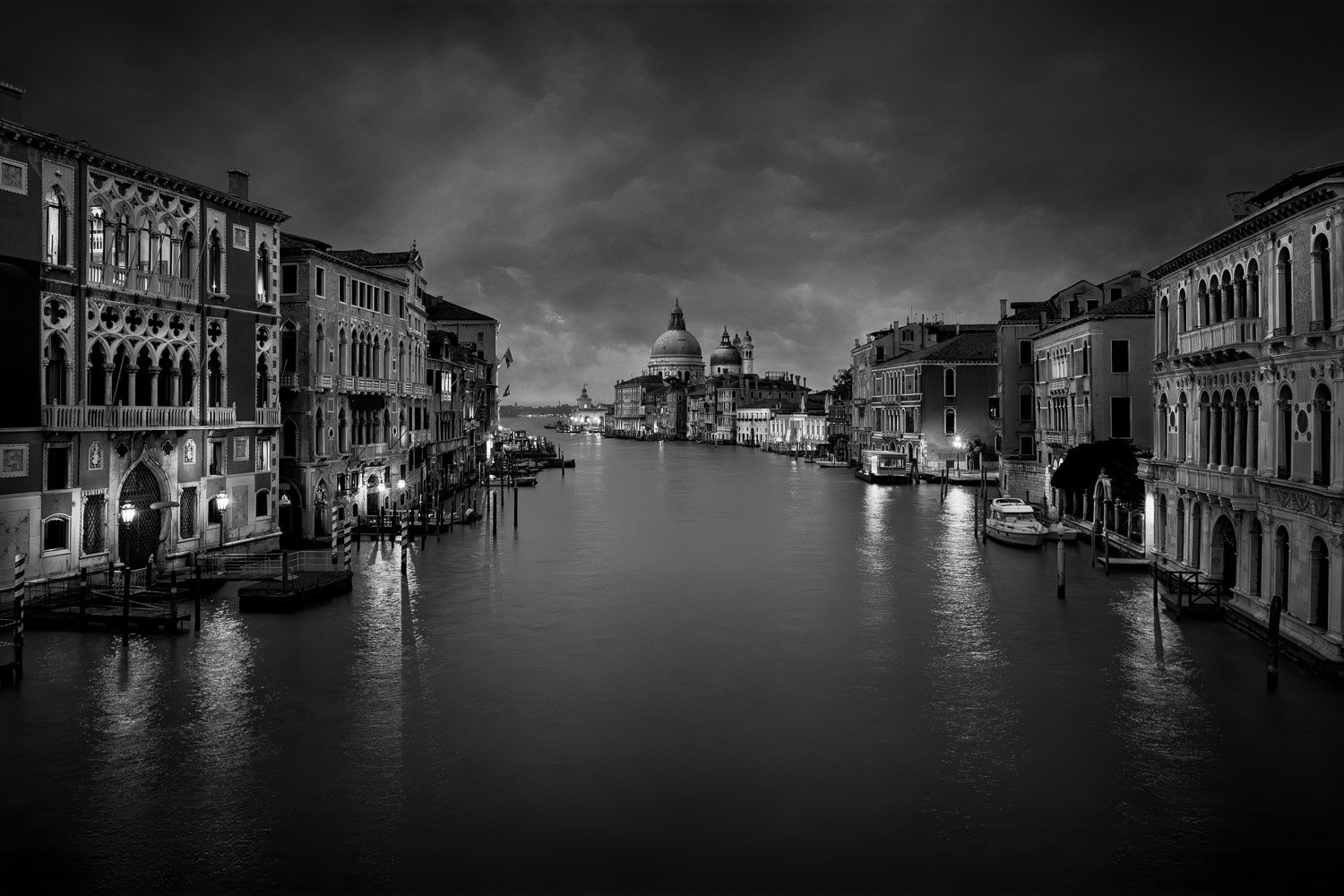
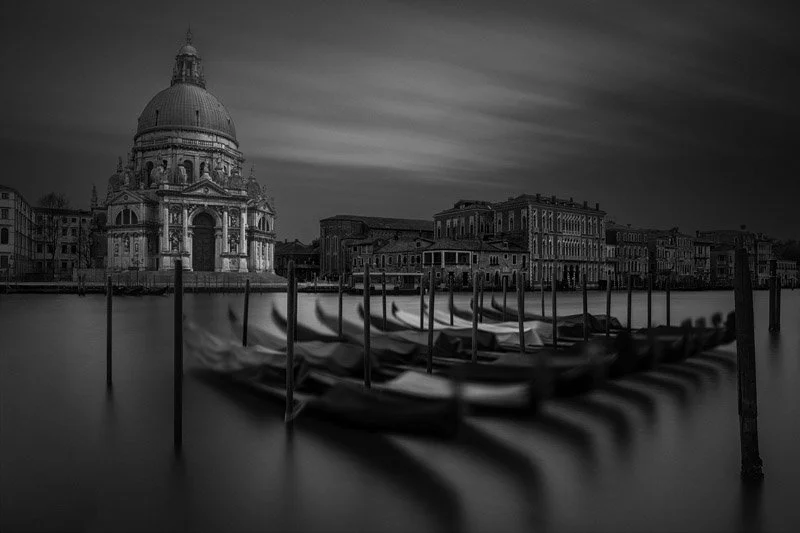
As I stepped onto the vaporetto at Piazzale Roma for the journey to the Arsenale, I felt a sense of returning rather than arriving, as if the city, like an old friend, had come to greet me. Weighed down with a suitcase and a camera backpack, I found comfort in the steady chug of the engine and the familiar rhythm of the crew member calling out each stop. I stayed outside on the deck, earning a few disapproving looks from regular commuters who would have preferred to see me tucked into the enclosed seating area. Yet I wanted these first moments to be unfiltered, to reacquaint myself with the familiar scent of salt and diesel that always marks the beginning of my Venetian stay.
This visit would be a slight departure from my usual rhythm. Alongside my own photography, I had arranged to meet a couple of fellow photographers for shared photowalks, and I have to confess to feeling a touch of apprehension. Although I know the city well, as soon as my second self takes over, the street photographer who follows instinct more than reason, any sense of planned navigation dissolves. I rely on the passage of light more than any map app. I have grown accustomed to walking cities without a plan, and Venice, this time, was all about street images. Chasing shadows along canal lined passages and allowing the day to unfold as it chooses has always been my way. The idea of coordinating with others felt, at first, like a compromise to the way I work. Yet those fears soon dissolved as my companions matched the pace with ease, embracing the ethos of getting lost that this kind of photography encourages. They showed no hesitation in spending long hours wandering in the elusive pursuit of images.
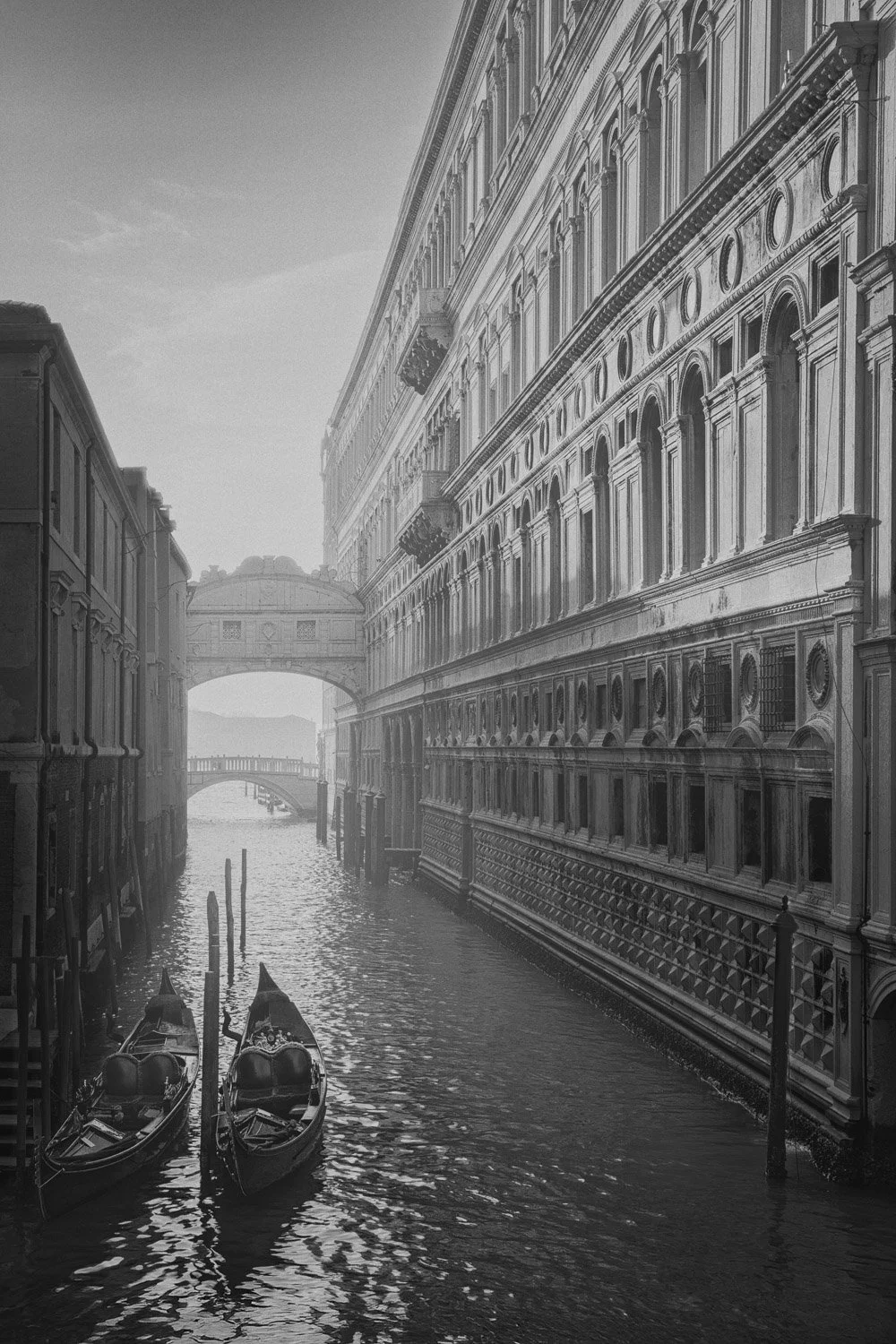
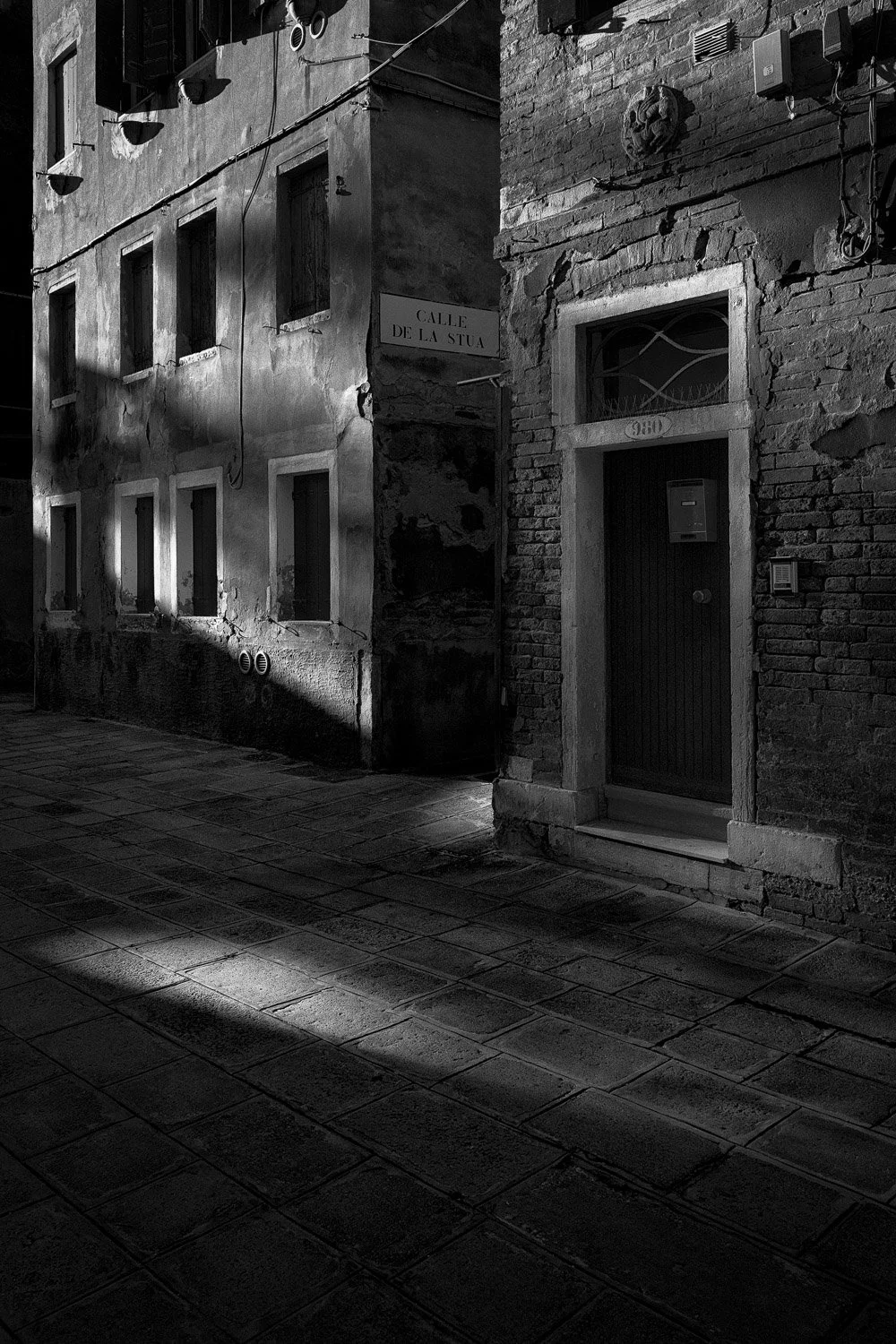
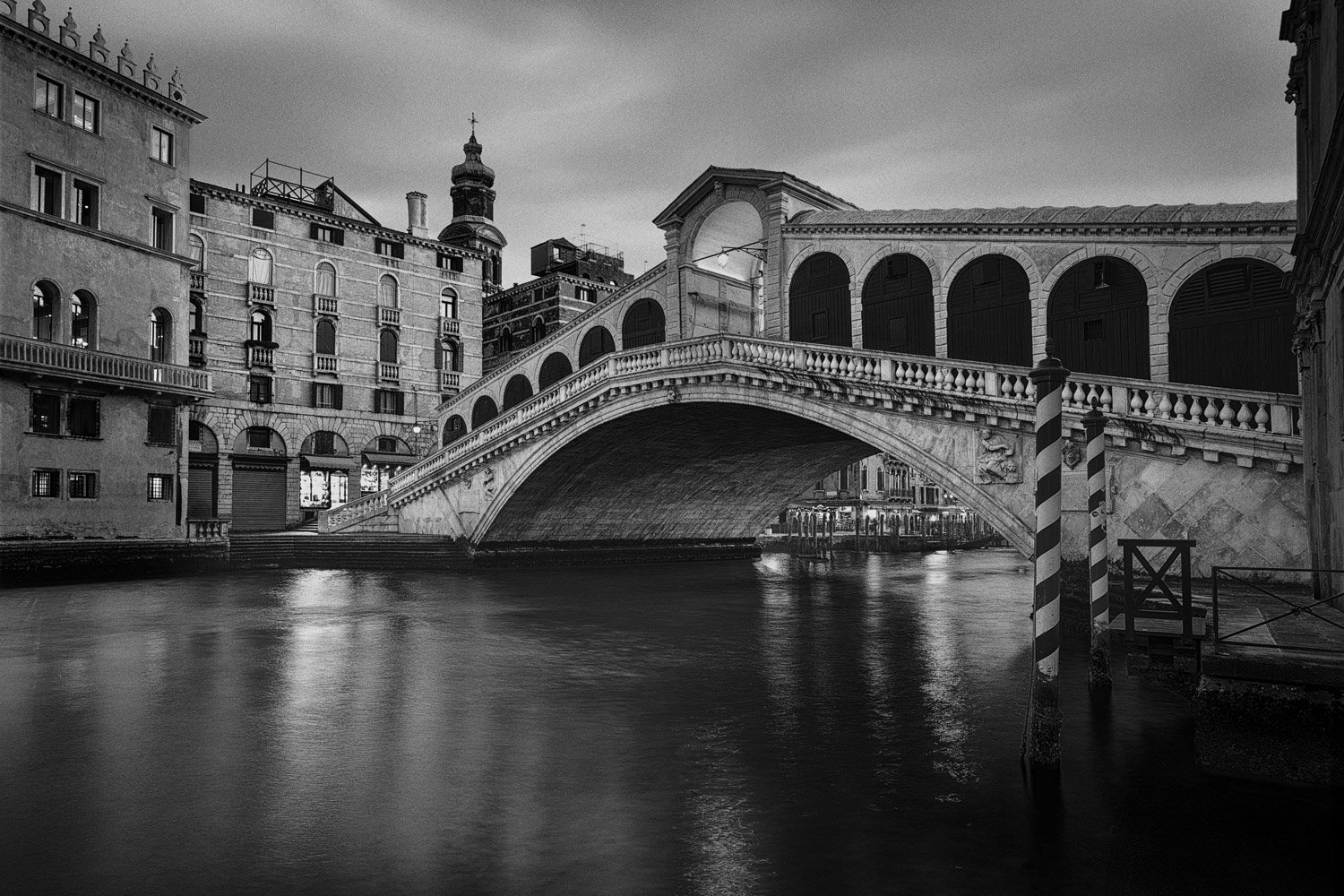
To begin, I made the customary visits to Piazza San Marco, Rialto and the Accademia, as anyone drawn to Venice inevitably does. Yet my real intention lay elsewhere. I wanted to spend time in the quieter districts where the city reveals itself with less performance and more honesty. Castello and Cannaregio became my focus, and it was there that the city seemed to breathe at a gentler pace. The stream of tourists thinned, the layers of multilingual background chatter faded, and the narrow streets offered the pleasure of walking without urgency.
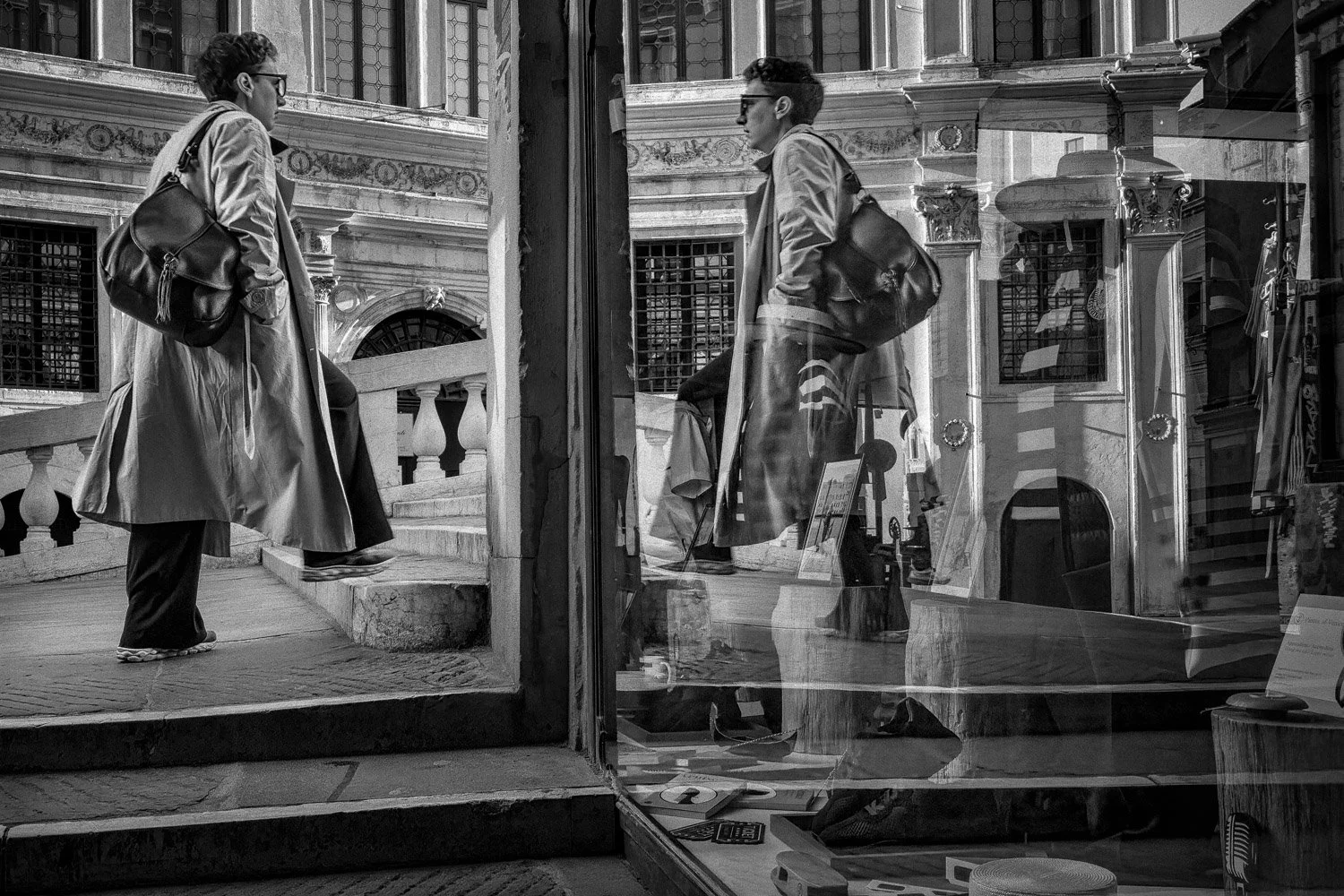
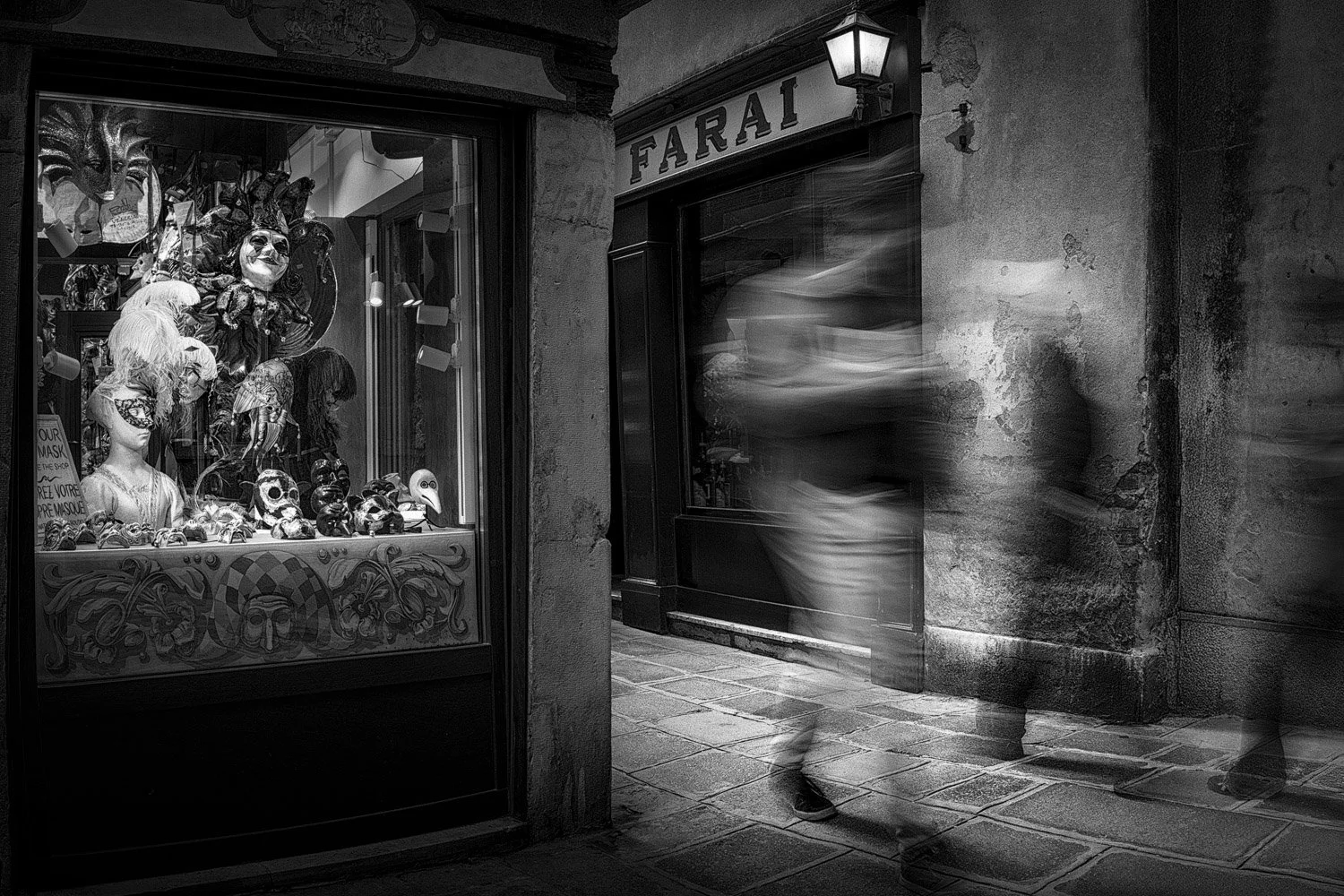
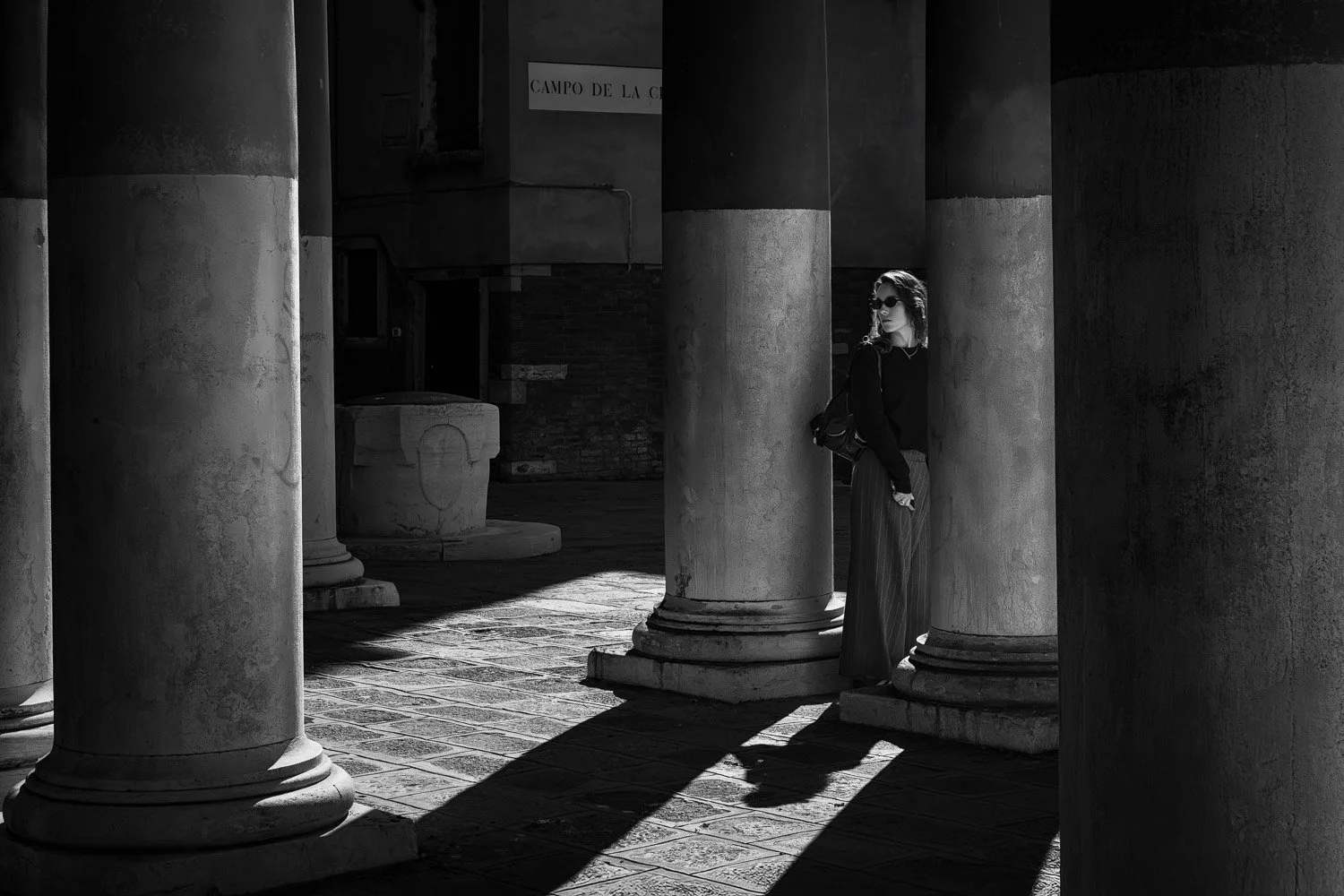
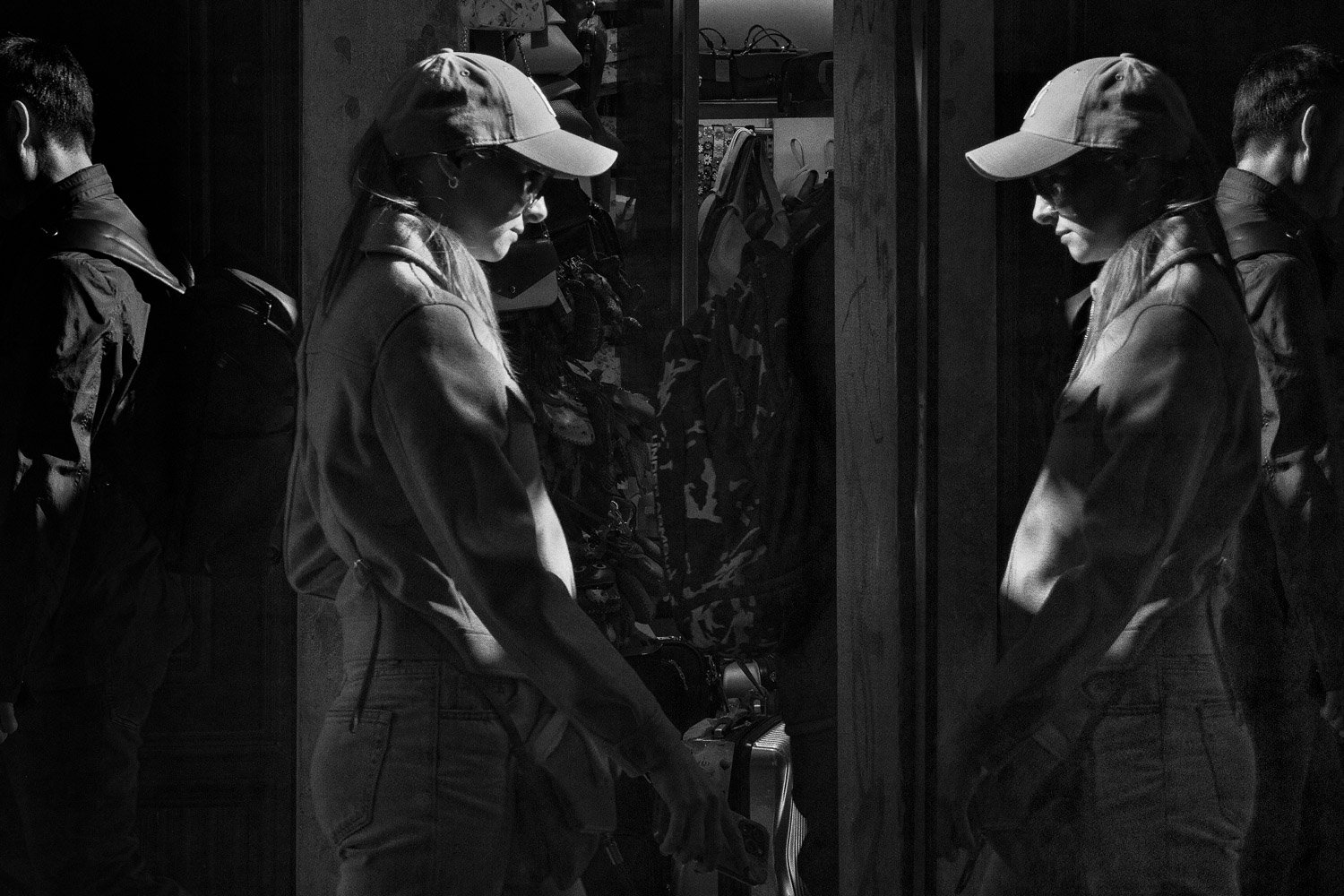
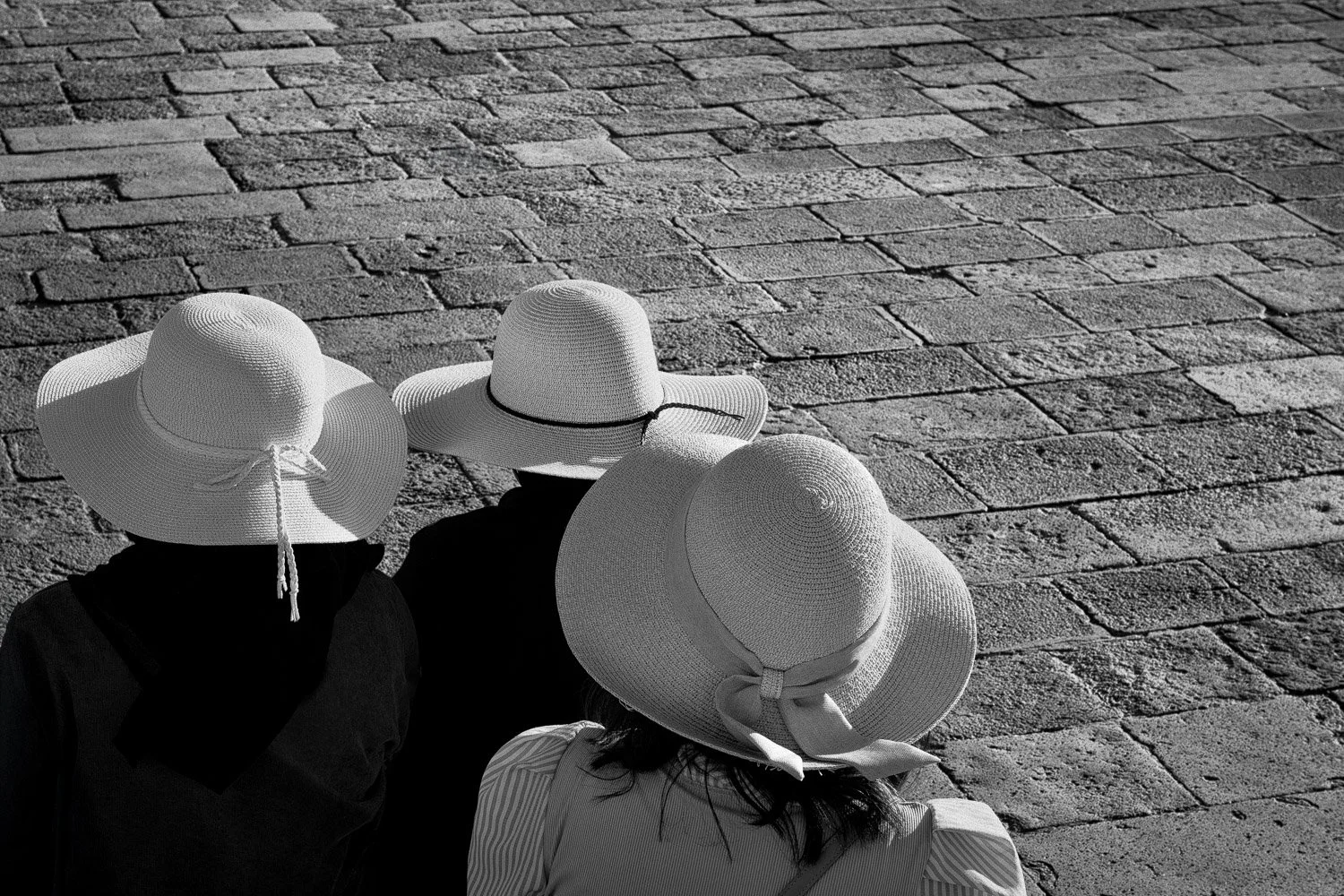
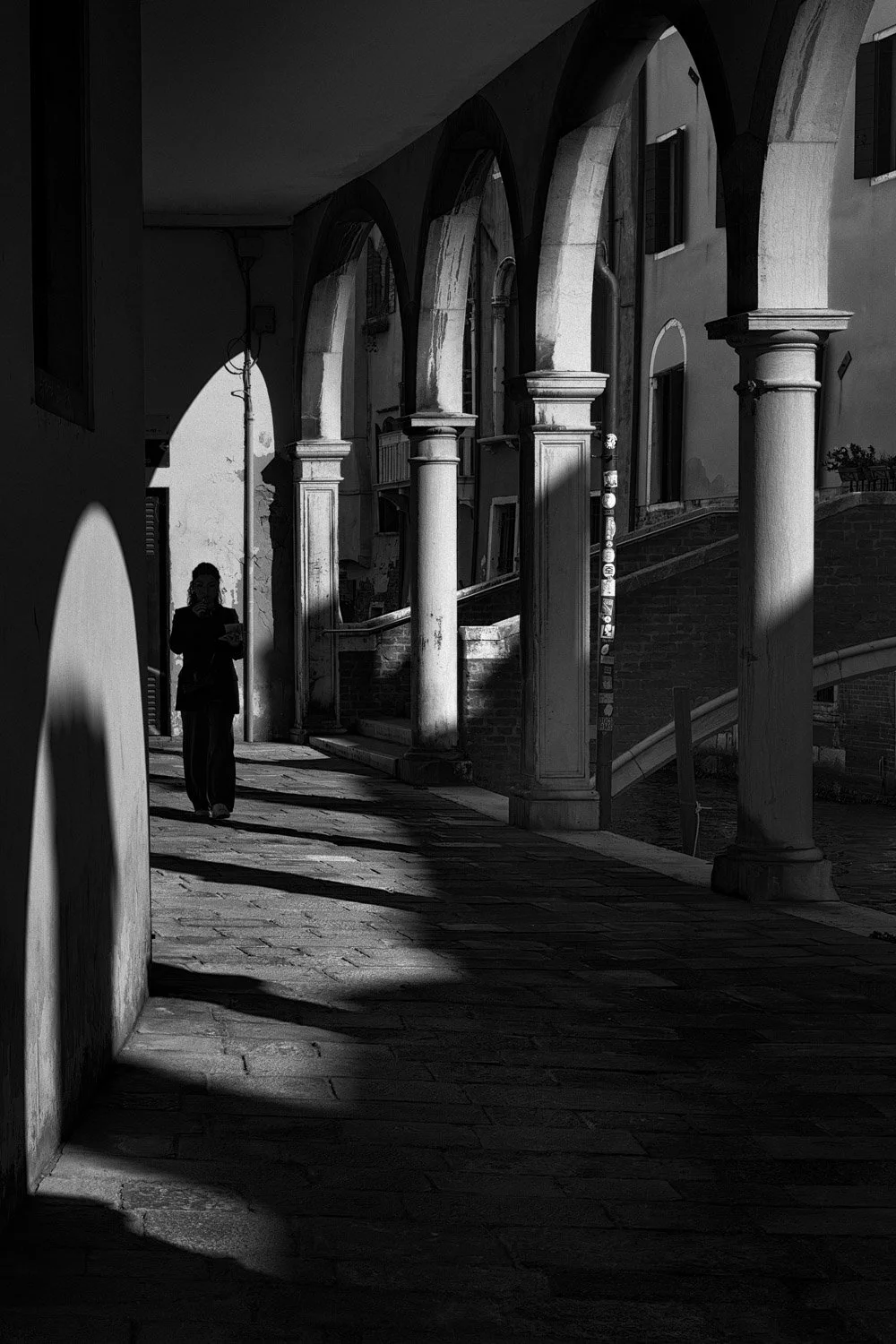
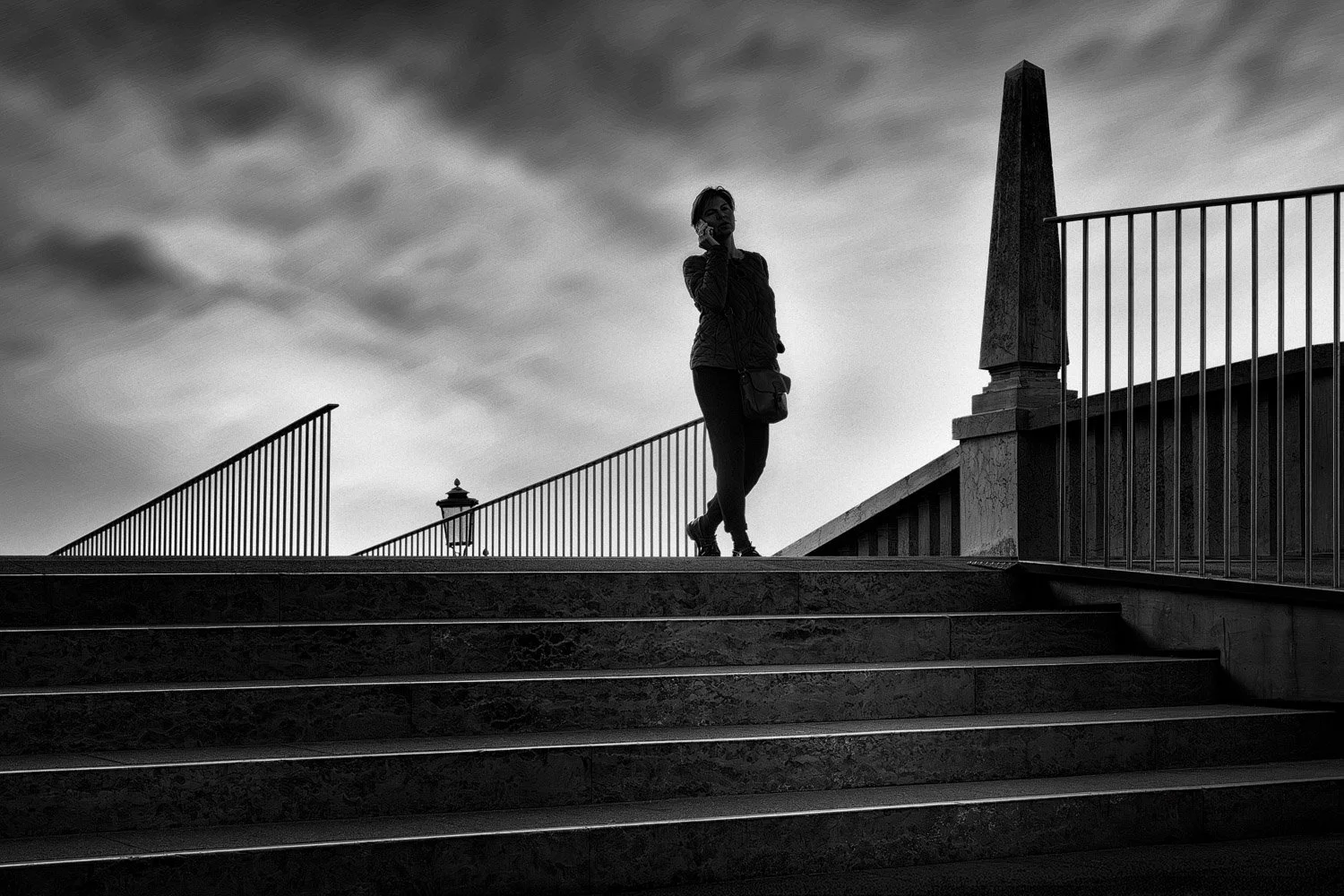
The grandeur of San Marco soon gave way to observing the often demanding reality of daily life in a city dependent on water transport. Walking through these quieter areas brought back the feeling I have always associated with Venice, a reminder that behind its splendour lies a place where ordinary life is far from straightforward. Yet it is within these streets that I found the space to linger and observe. Over time, my street photography has become less about the chase and more about watching a scene unfold. It might be a person stepping into a patch of light or a shadow stretching across a textured wall. These moments are not dramatic, yet they carry a quiet resonance that is easy to overlook amid the day trippers searching for the city’s more obvious spectacles.
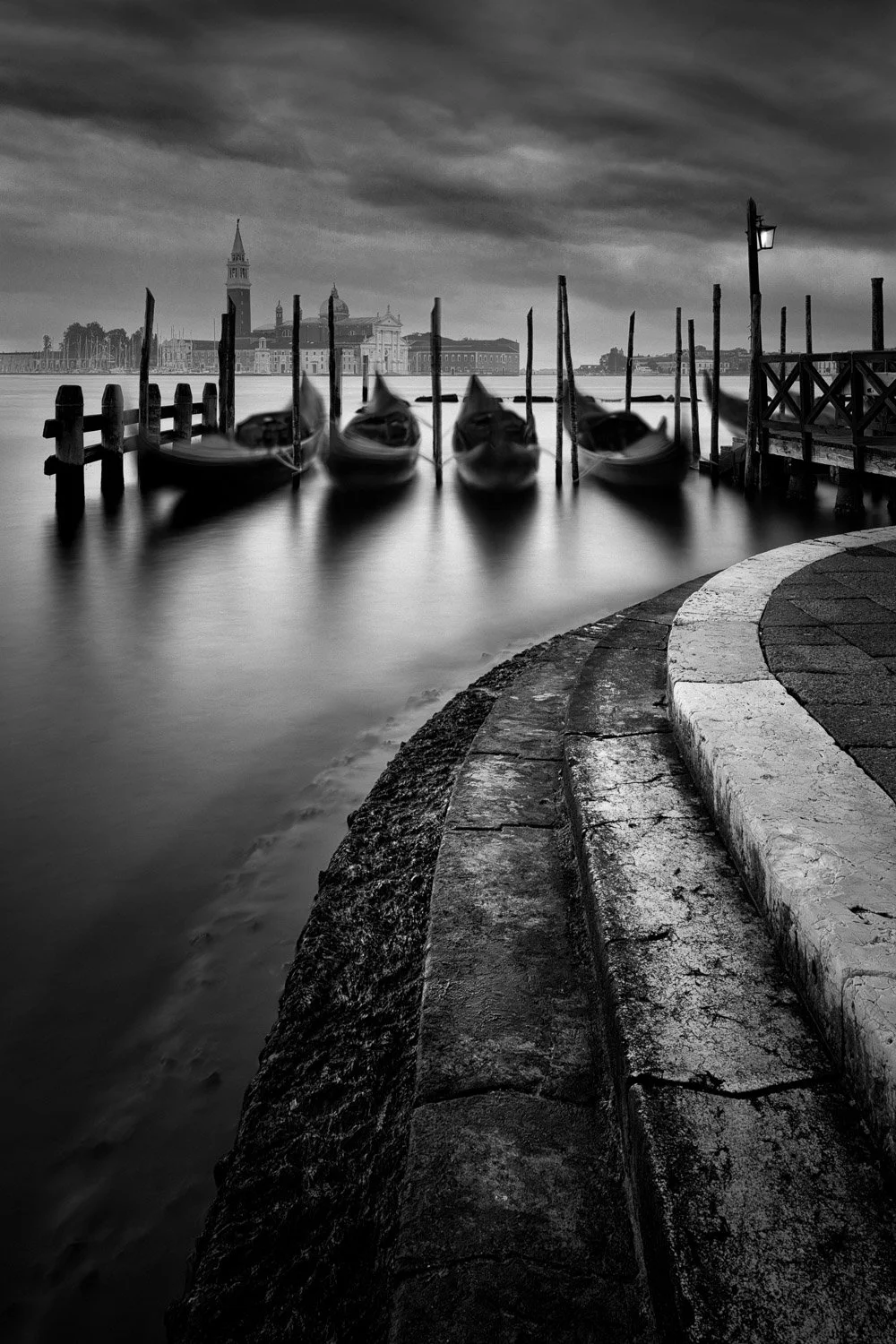
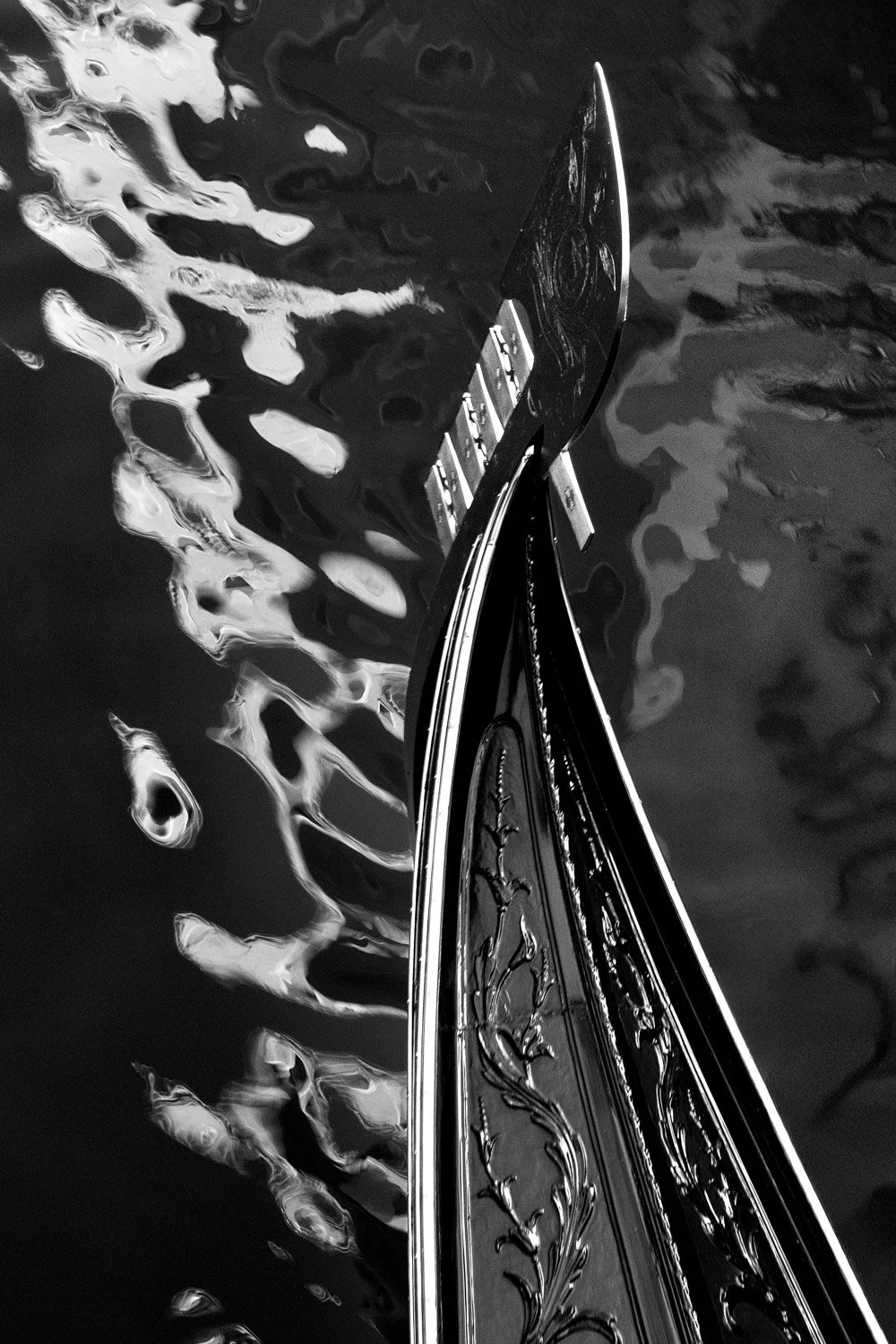
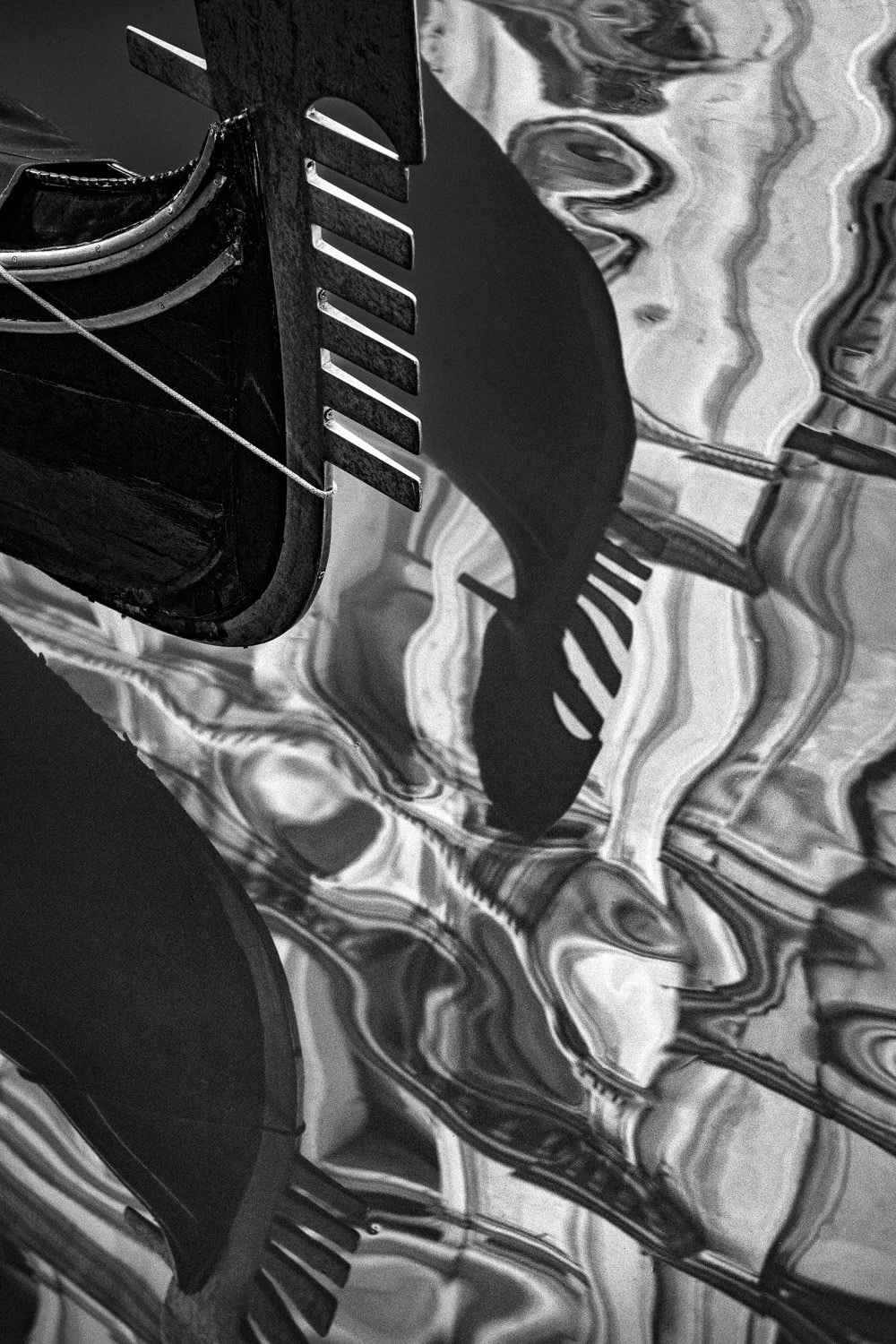
As usual, black and white is my preference. It draws attention to form and gesture, and many of the streets are already quite monochromatic. Although I must admit, for anyone visiting the little island of Murano, colour photography is undoubtedly the way to go.
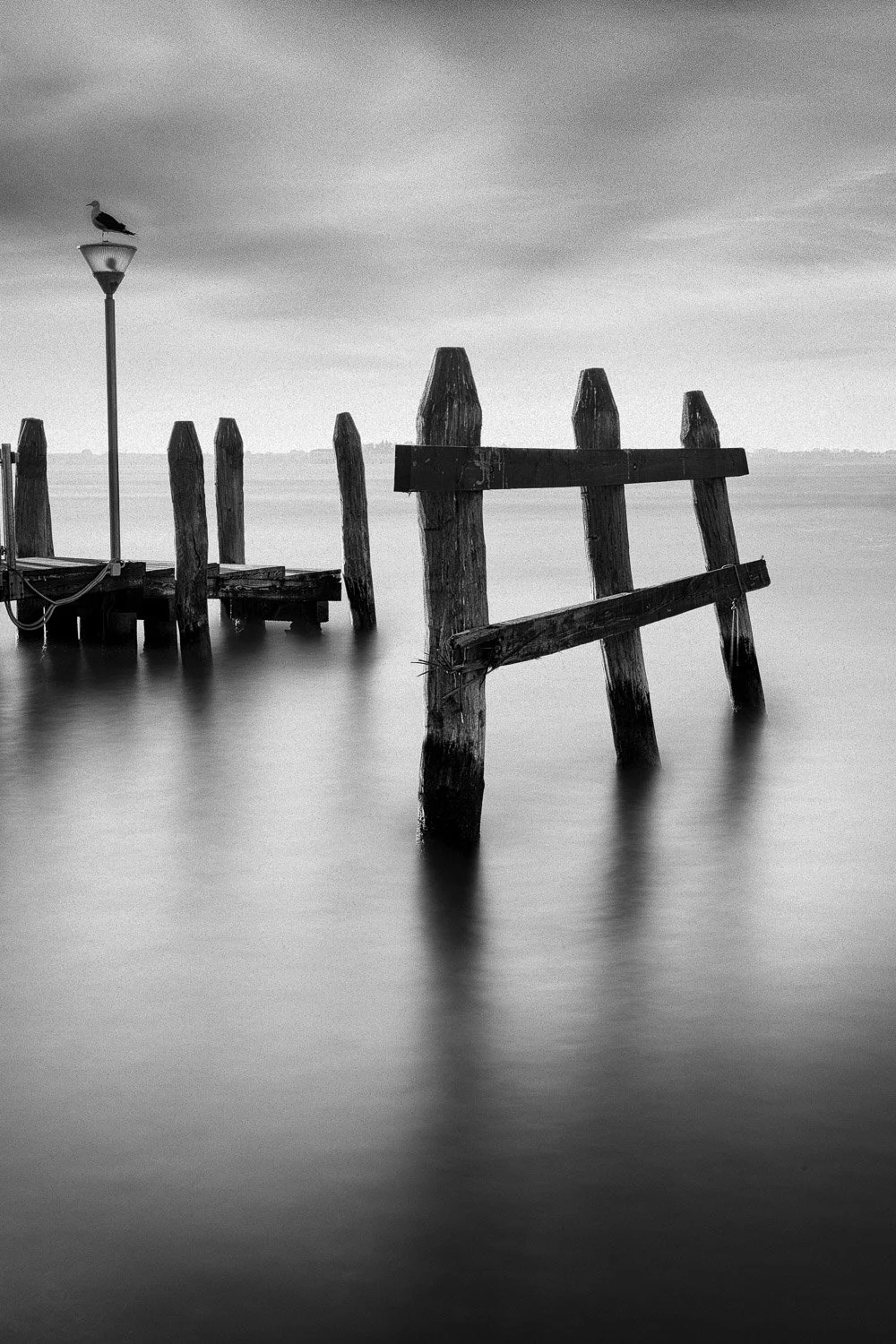
Castello and Cannaregio are not the only districts where one can step away from the flow of visitors, and in future visits I hope to wander further afield. What struck me on this trip was how easily I forgot about the images I hoped to make and became absorbed in the simple act of meandering through a place that seems to move at its own pace. In these quieter corners, the city reveals something beyond its well documented beauty, a quality that feels more reflective than picturesque. Venice has a way of mirroring your own state of mind, turning each return into a quiet exchange between memory and observation. It reminded me that the familiar can still surprise when approached with patience.
By the end of the trip, I realised that the quieter corners had offered more than photographic opportunities. They provided a sense of ease, a pause from the madding crowds, and a reminder that wandering without agenda often reveals more than any planned route ever could. With that I bid farewell to La Serenissima. Until next time.
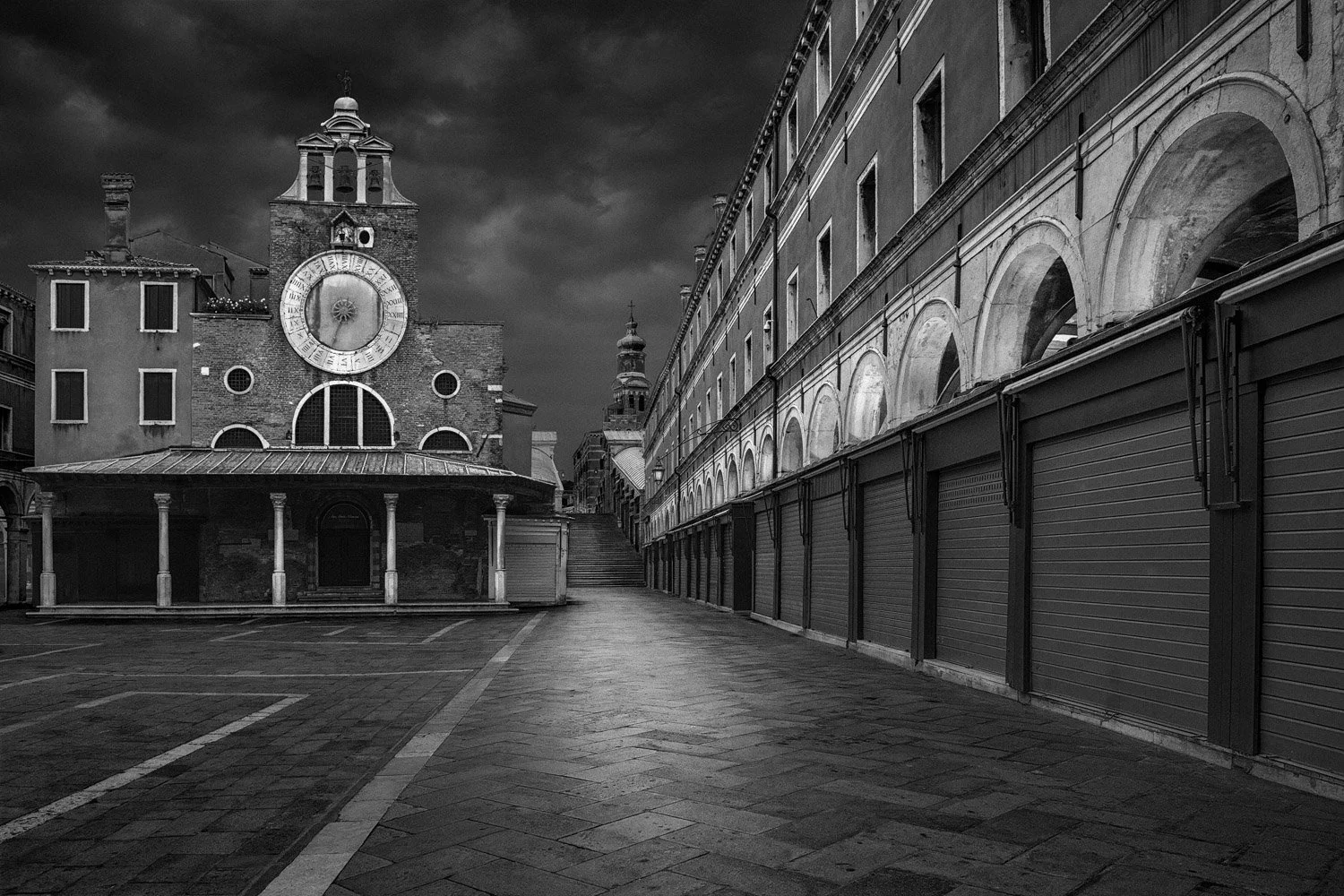
The Wayward Hand
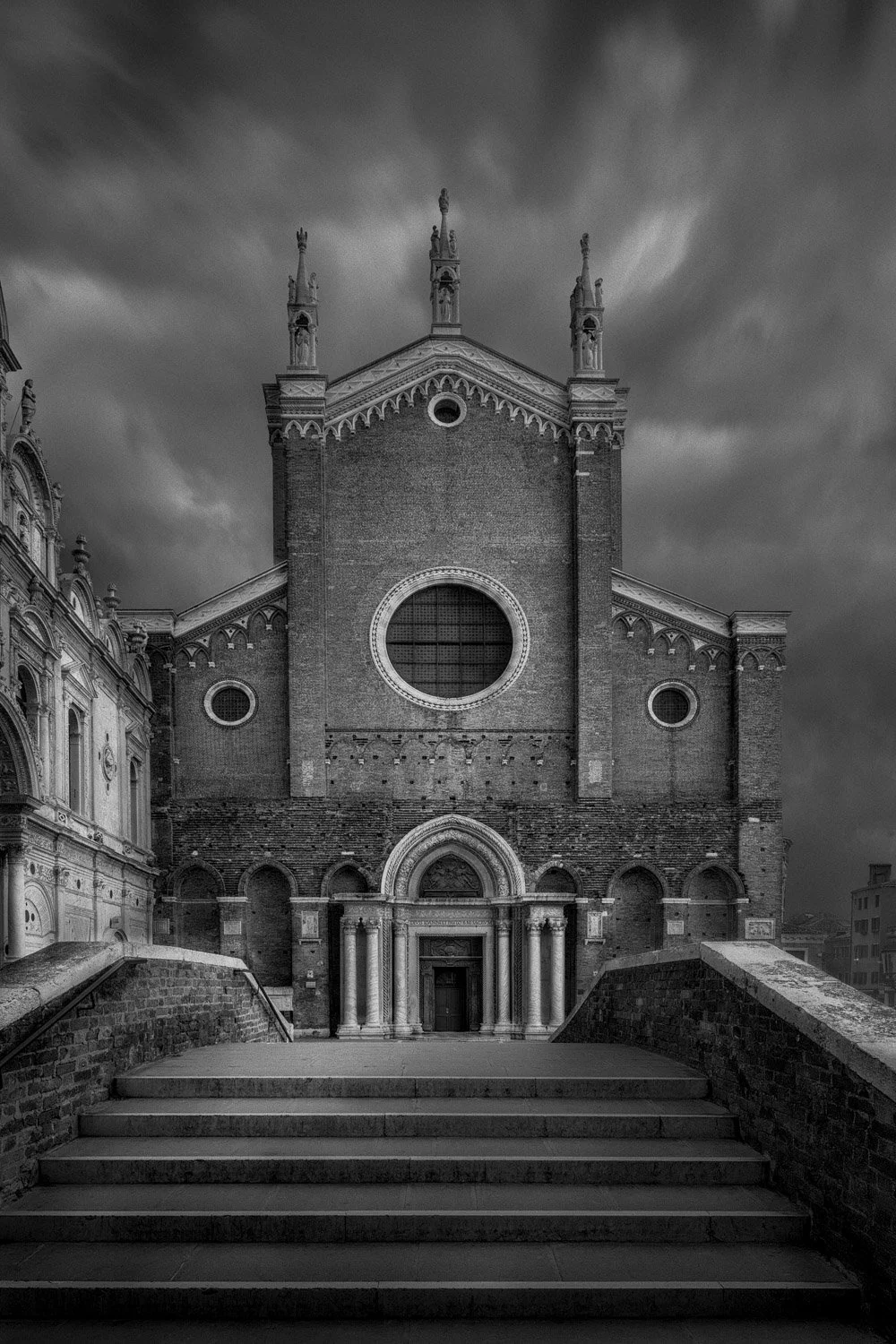
On the church face, time drifts and falters; once the measure of whispered trade, now a curiosity for the tourist gaze.