Returning to Place
As I sat at a small round table with my coffee and a pastel de nata lightly dusted with cinnamon, waiting for the early morning light to breathe life into the Lisbon streets, I felt an unexpected sense of calm. Returning to a place brings with it a different outlook. I was still very much a tourist, a stranger, but this time with far less urgency. The city felt recognisable, even welcoming, and yet that familiarity carried an unease of its own.
This was only my second visit, so any sense of knowing the city remained skin deep. Routes were remembered, passages of light recalled, certain locations quietly anticipated. But recognition is not the same as understanding. Returning to Lisbon made me question what actually changes when we revisit a city with a camera. Does familiarity deepen perception, or does it narrow it? Does returning bring us closer to a place, or simply closer to our own habits of seeing?
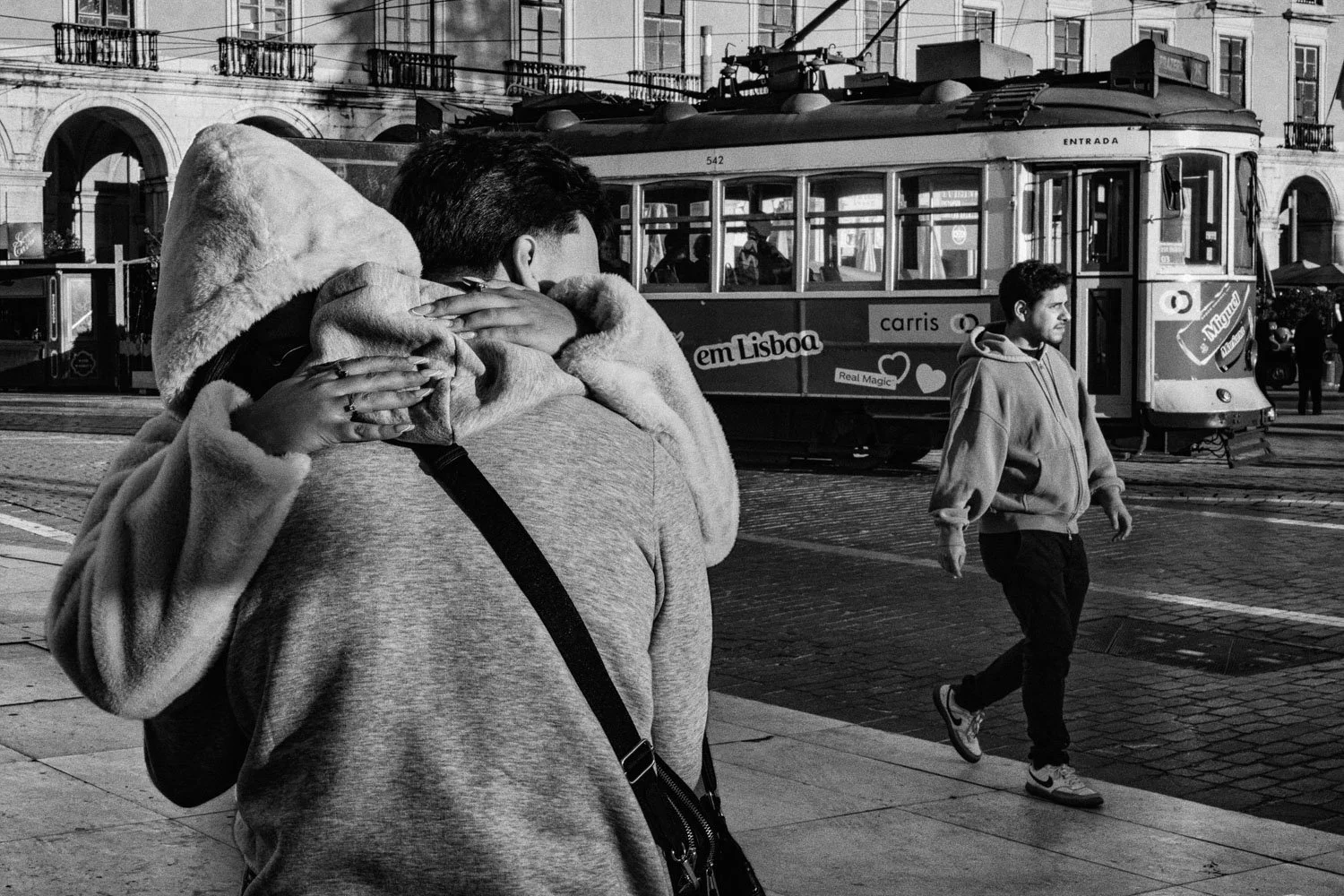
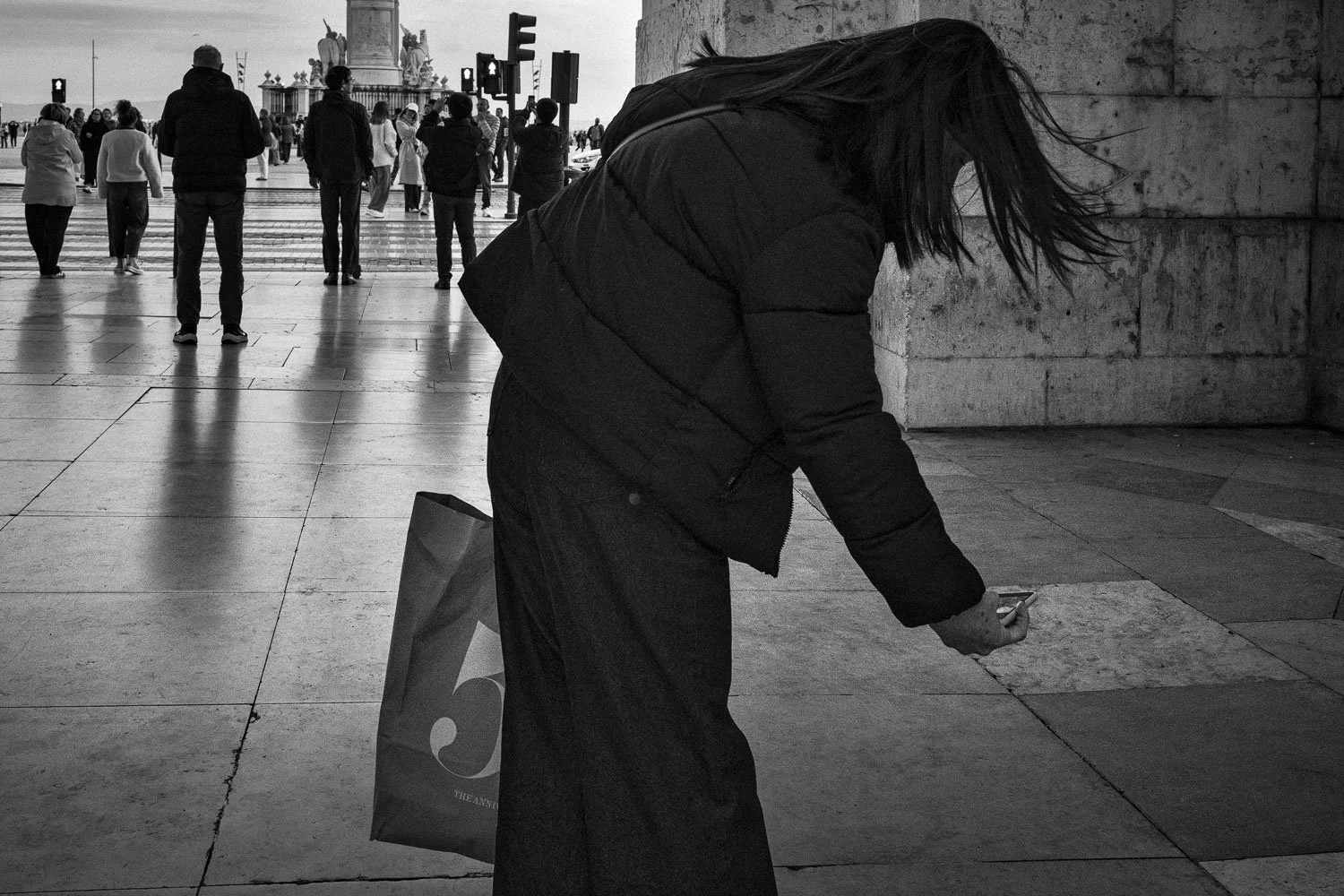
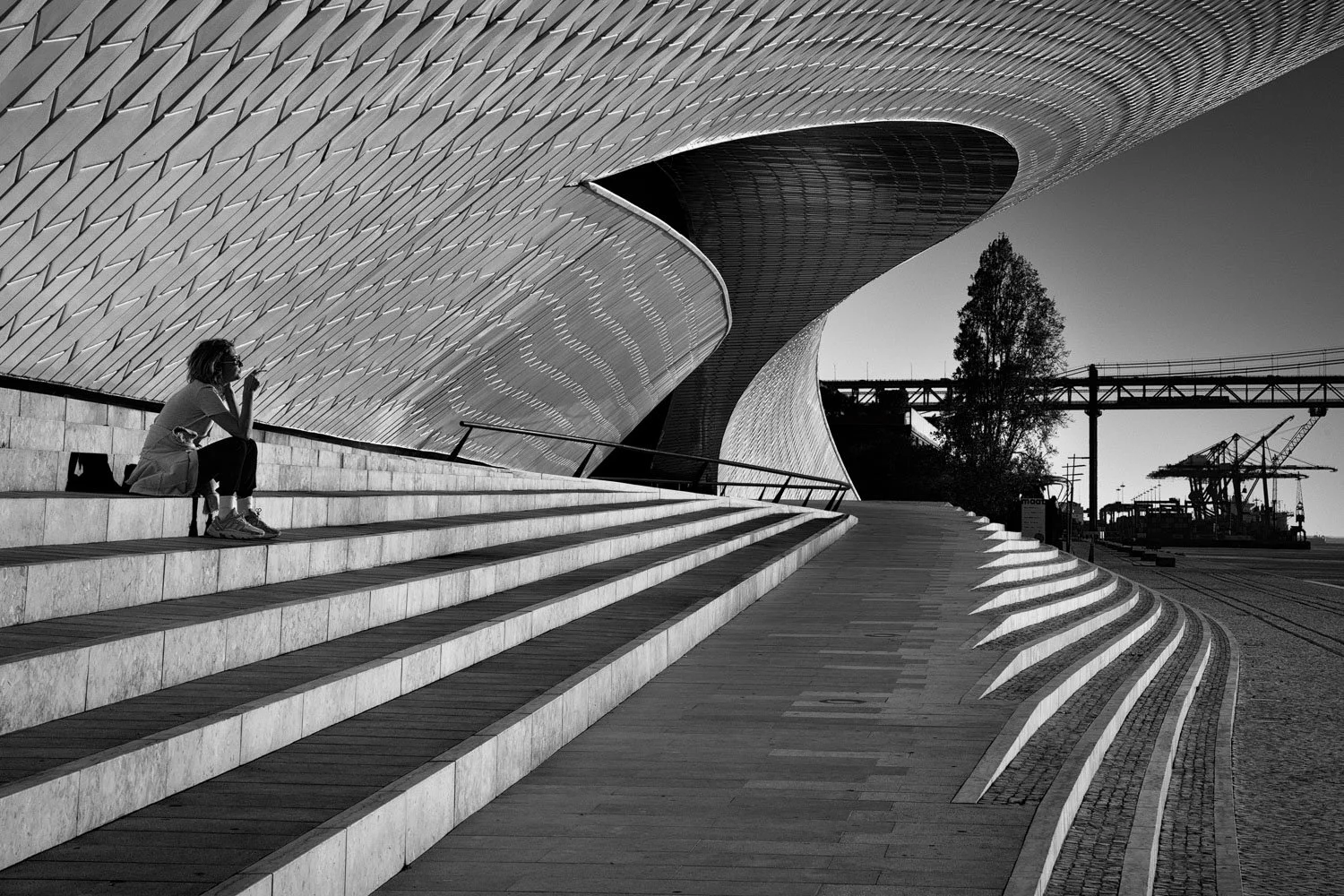
Walking down Rua Augusta on a chilly November morning, past the big name shops, restaurants, and rough sleepers sheltering in doorways, I headed towards Praça do Comércio. This time I moved with confidence rather than caution. I knew where I was going. I knew that the waterfront promenade by the Tagus would offer light, and perhaps photographic opportunity.
As I write this, I can see the humour in that confidence. It is not unlike walking down Oxford Street and claiming to know London. Familiarity with a route, or a stretch of pavement, can easily be mistaken for understanding.
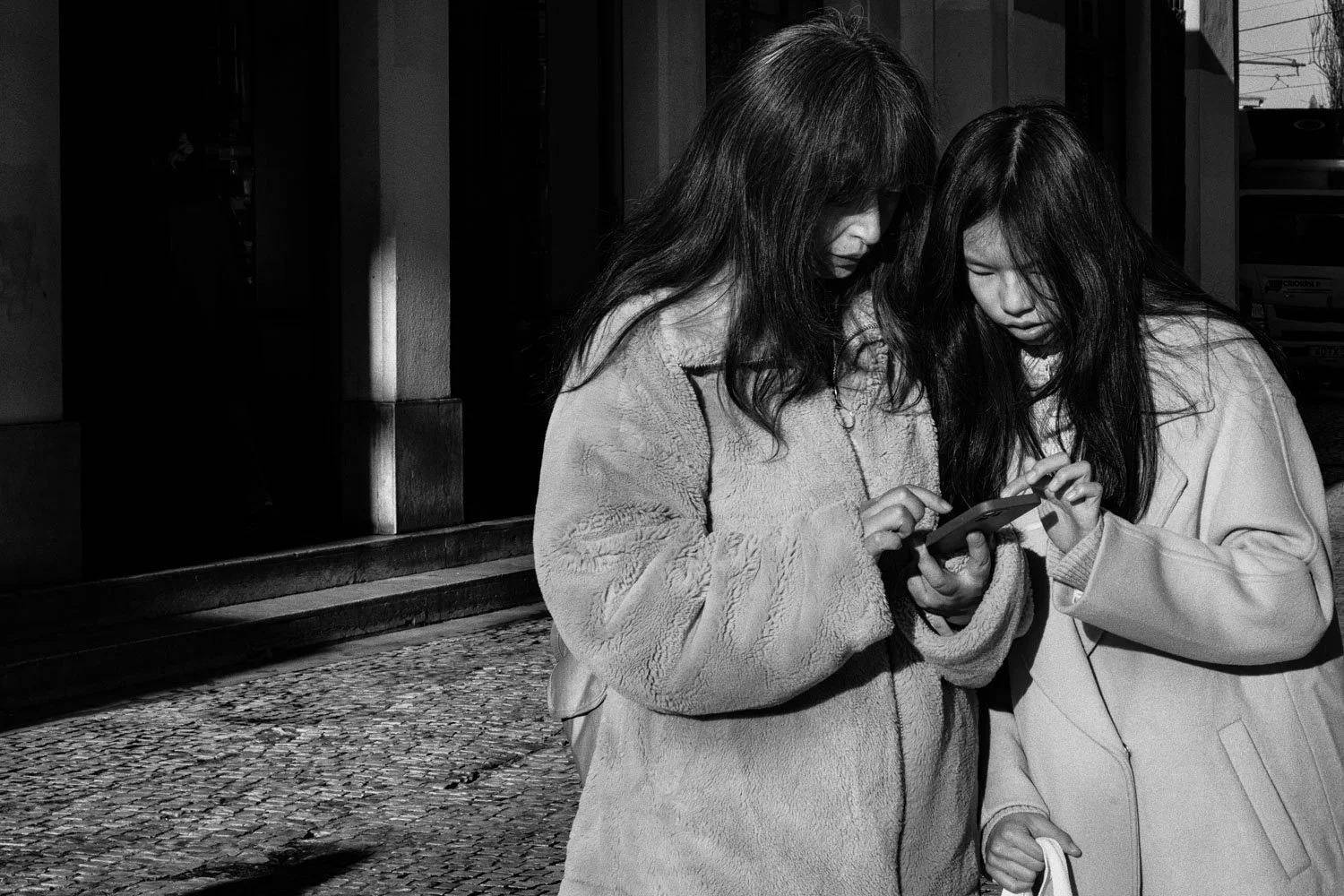
Street photography encourages this kind of partial knowing. I work almost exclusively in public space, reading the city through its surfaces, following light, watching for rhythm and gesture. Over time, these streets become visually legible. It is tempting to mistake that fluency for intimacy. Yet the city only reveals what it is prepared to show outdoors, and only briefly.
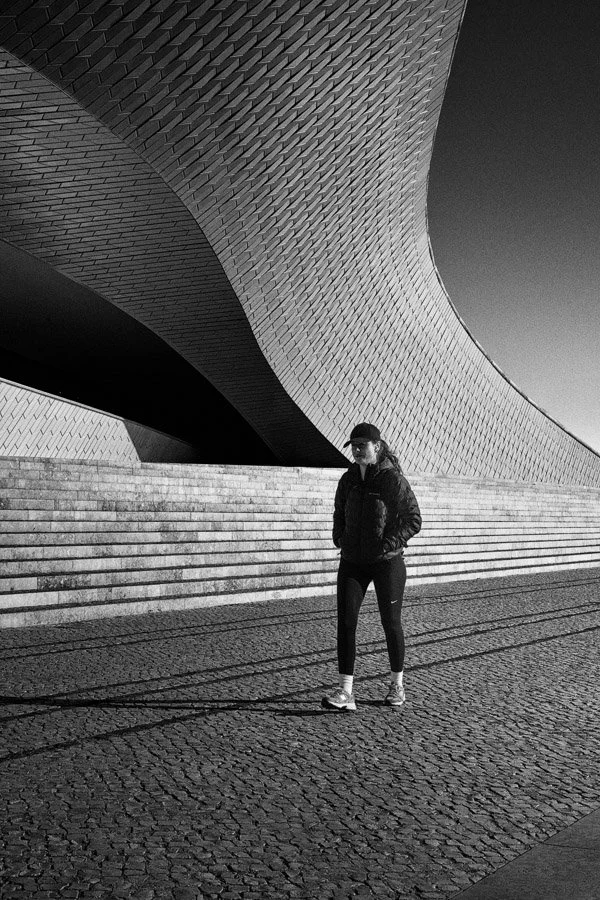
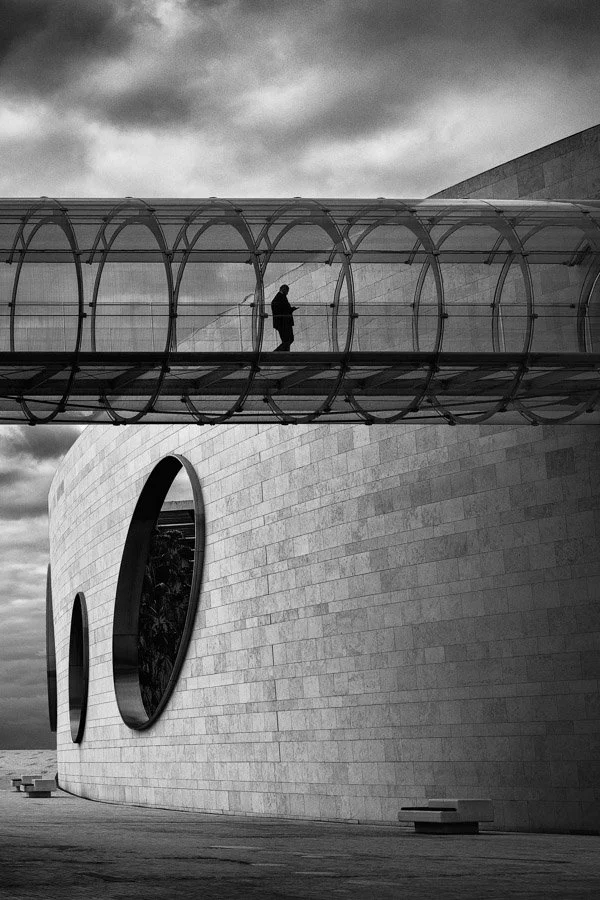
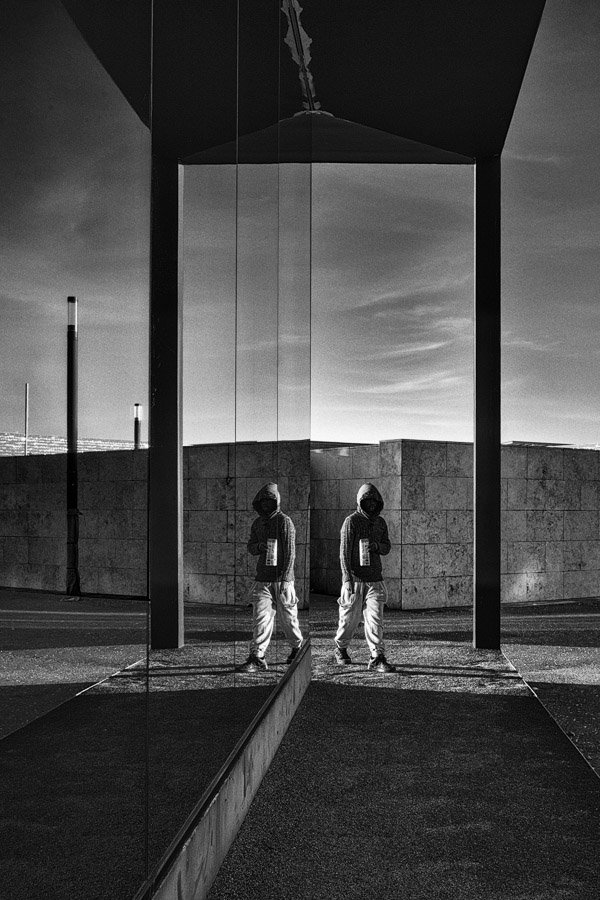
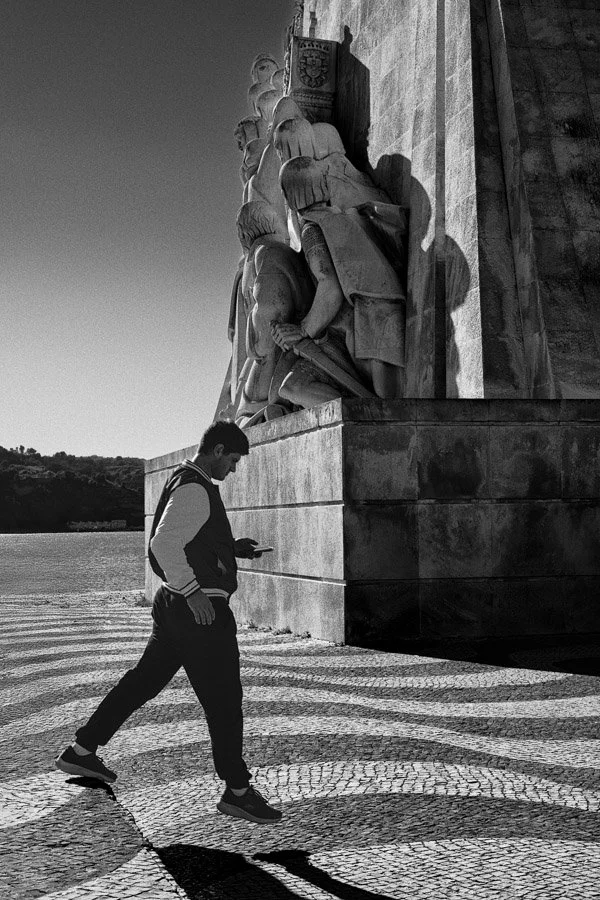
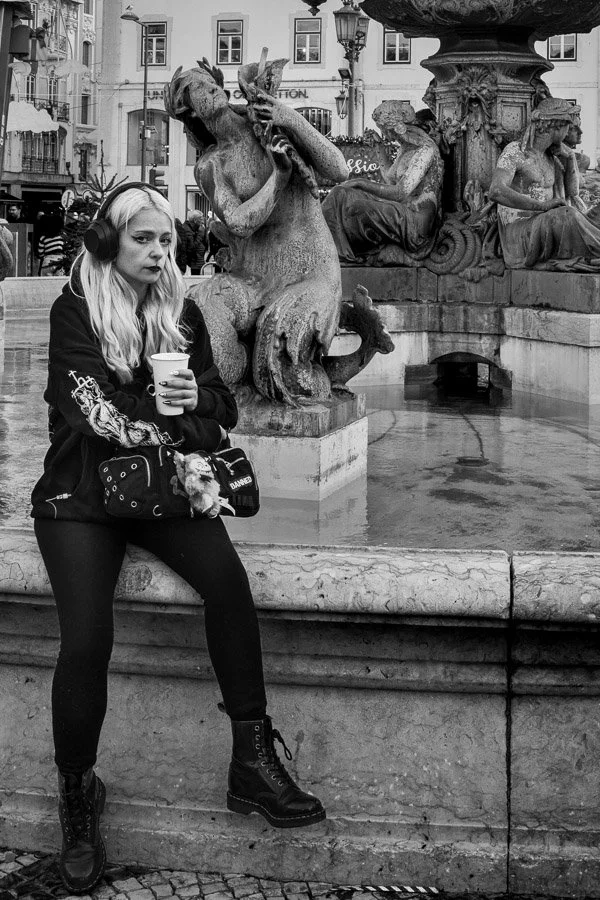
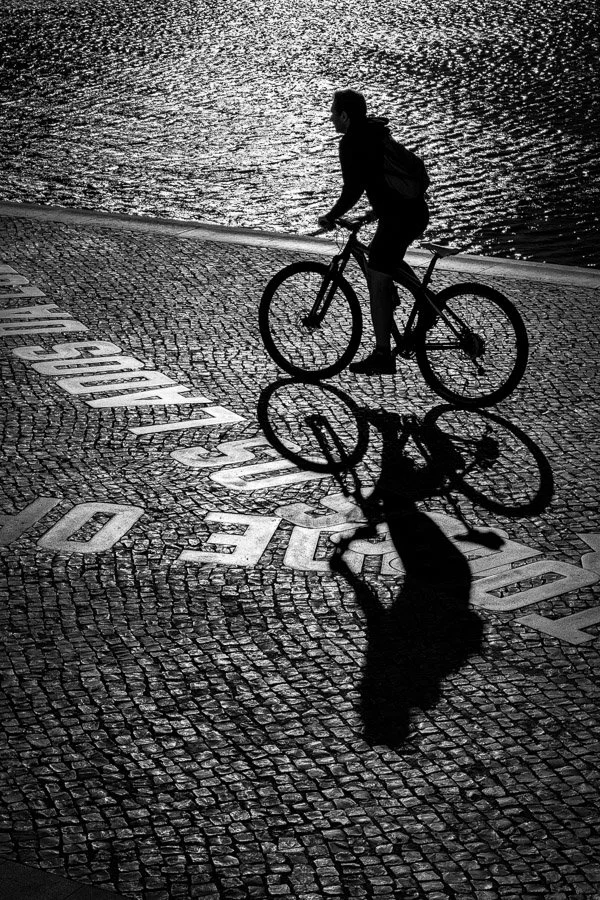
This raised an uncomfortable thought. Had my earlier photographs captured something of Lisbon itself, or had they simply reflected my own way of moving through it as a visitor, attentive to form and light, yet largely unaware of the daily routines unfolding beyond the frame?
To pursue that thought is to confront some uncomfortable truths. I suspect my earlier photographs did not so much describe Lisbon as they described my behaviour within it. On my first visit, I gravitated towards safer ground, the tried and tested routes, places already familiar through other images.
There is a reason for this, one shared by many street photographers. When arriving somewhere new, we fall back on routines that have worked before. The camera becomes a way of orientating oneself, not just spatially, but psychologically. Early photographs often function as reassurance. They confirm that one knows how to operate, that one’s visual language still holds.
That reassurance comes at a cost. Working within a personal, time-tested approach can insulate the photographer from the cultural and social layering that sits beneath the surface. These subtler dimensions take time to reveal themselves, and patience to observe. The photographic return diminishes. Images arrive more slowly, if at all.
On this return visit, I became more aware of that gap. The streets were easier to navigate, but that ease risked reinforcing the same habits. The question was no longer whether I could make photographs, but whether I was willing to move beyond what already felt photographable. To step away from familiar light and recognisable gestures, and accept the uncertainty of not quite knowing where to look.
Familiarity does not automatically grant access to deeper layers of a place. It can just as easily entrench earlier choices. The challenge is not simply to return, but to resist repeating oneself. To acknowledge that the first body of work may have been necessary, even useful, but also incomplete.
In that sense, returning becomes less about seeing the city again, and more about confronting the limits of one’s own approach. The unease I felt was not directed at Lisbon, but at the realisation that my earlier images may have been careful where they needed to be vulnerable.
This tension raises another question. Does the visitor, precisely because they do not belong, sometimes see more clearly than the local, or does distance simply produce a different kind of blindness?
Arriving somewhere new slows the pace. The unfamiliar sharpens the senses. Attention heightens. Yet this alertness often lacks context. What appears striking does not automatically translate into photographic opportunity.
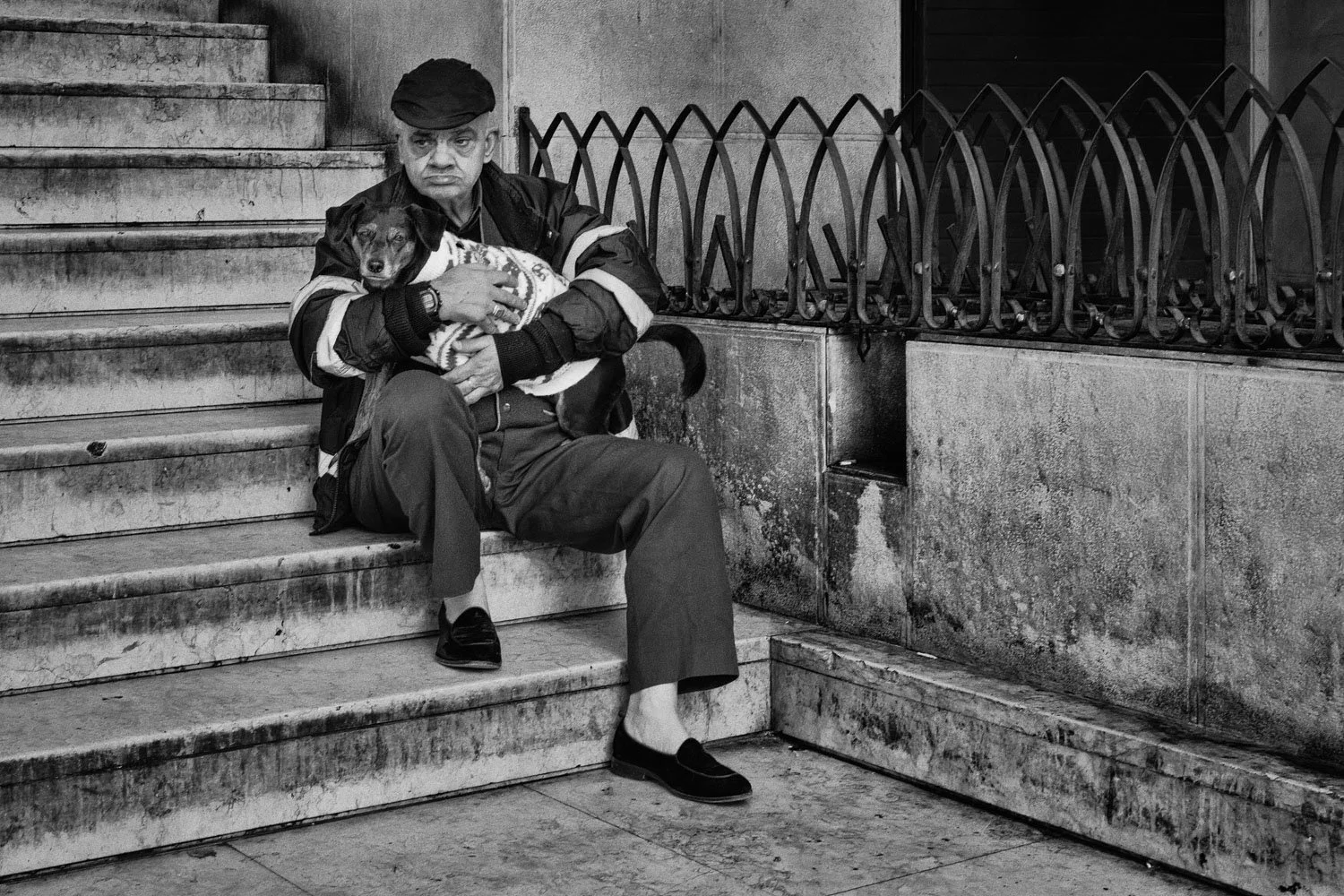
The local photographer occupies a different stance. Familiarity replaces novelty. There is a deeper knowledge of place, of customs and rhythms, of when things tend to unfold. But familiarity carries its own risk. What is seen every day can lose urgency. The quirks of the ordinary fade, and opportunities pass unnoticed.
On this visit, I remain in something of a honeymoon phase. The city is still new. Although I carry a little more knowledge than before, the images remain shaped by a visitor’s point of view. For now, I see this as a strength. I am free to wander without obligation, to follow light, and even to make images that might appear clichéd, without the judgement that often accompanies local familiarity.
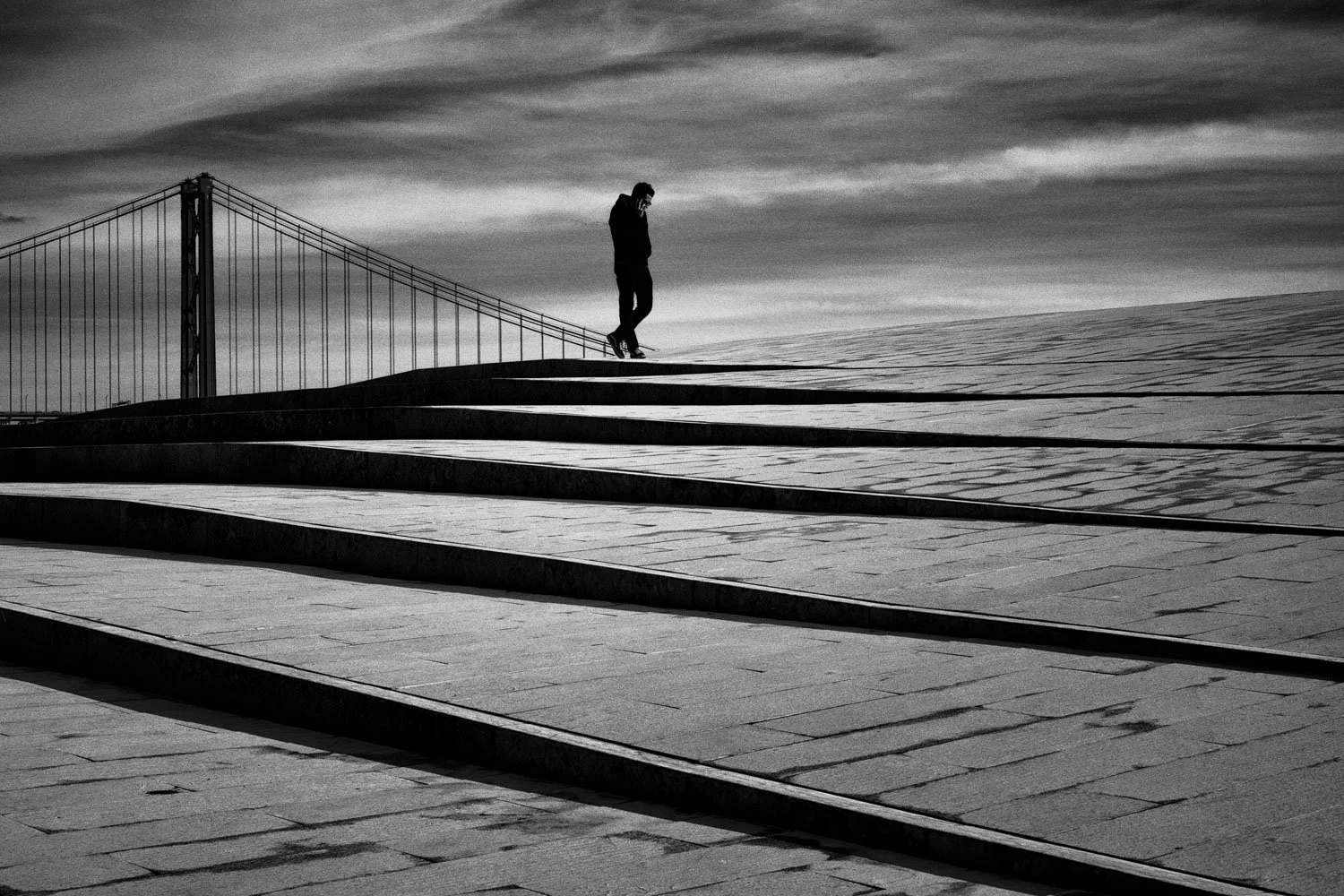
Perhaps this is where street photography is most demanding. Not when everything is unfamiliar, nor when everything is known, but when the photographer occupies a space between confidence and uncertainty. Where seeing requires effort, not because the place resists us, but because our own habits do.
For now, I am content to remain a visitor. To stroll with little intention or plan, returning to a city without agenda. To look, not to claim understanding, but simply to stay attentive.